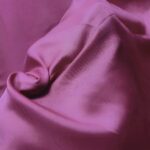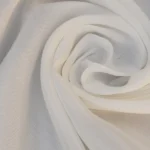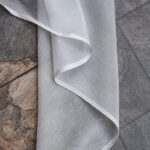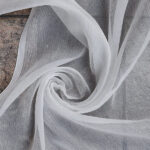

Two dresses can hang side by side on the same rack — same designer, same embroidery, same color, same stitching — yet one instantly looks premium while the other feels ordinary. Most people assume the difference comes from the embroidery or the tailoring. Experienced designers know the real answer: it is the fabric underneath everything.
In Pakistan’s bridal, formal, festive, and luxury wear industry, two fabric names come up again and again when designers talk about an expensive look: Korean Raw Silk and Tussel Silk (also known as Tussah Silk or Tasar Silk). Both are popular, both are genuinely premium, and both are used by top designers — but they create completely different visual effects.
The Short Answer
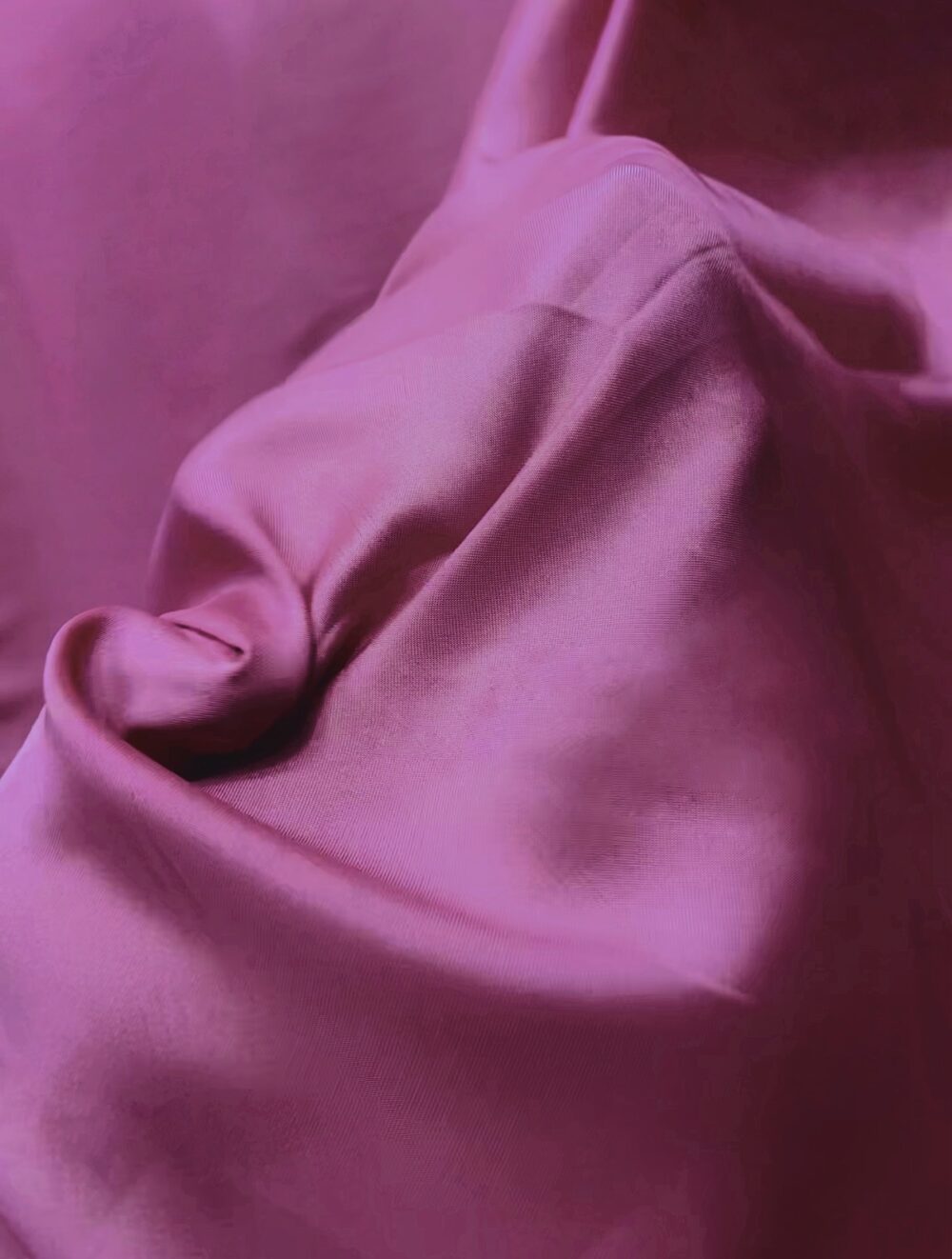
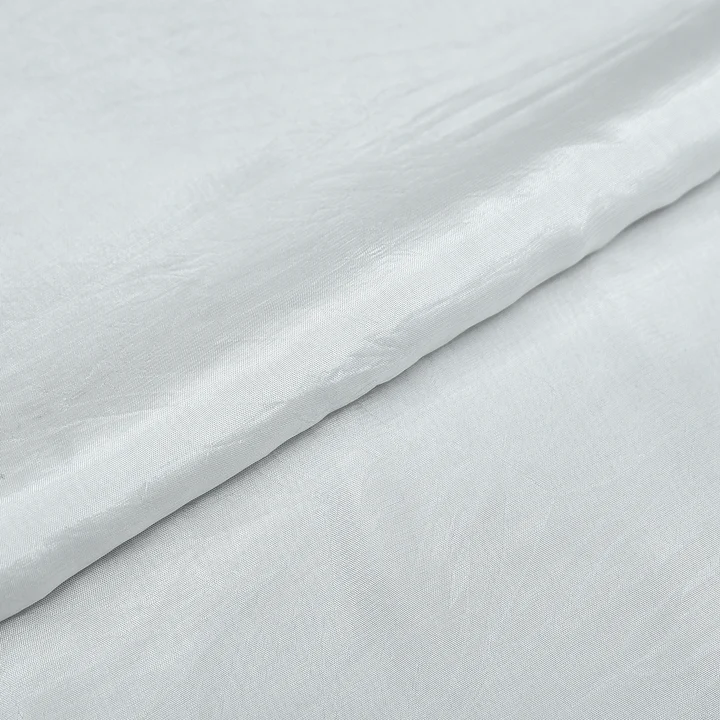
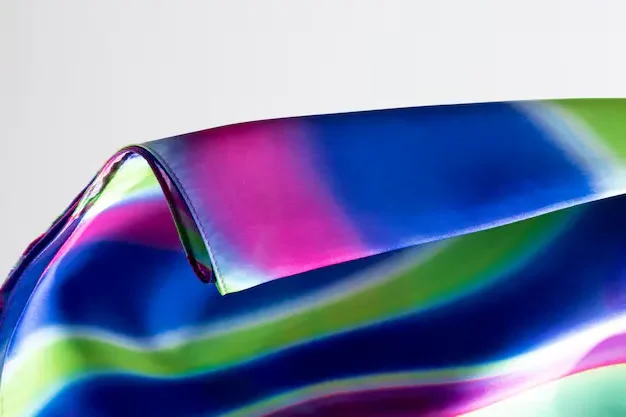
Korean Raw Silk has a smooth, refined surface with a fine, even weave that reflects light evenly. It gives outfits a polished, modern designer look — best for bridal suits, lehengas, shararas, and formal wear. Tussel Silk has a natural slub texture with an earthy, matte finish. It gives outfits depth and a handcrafted, heritage feel — best for traditional shalwar kameez, kurtas, waistcoats, and ethnic festive wear.
Why Fabric Decides How Expensive a Dress Looks
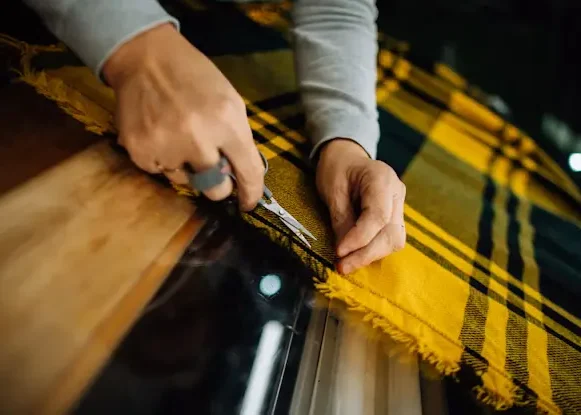
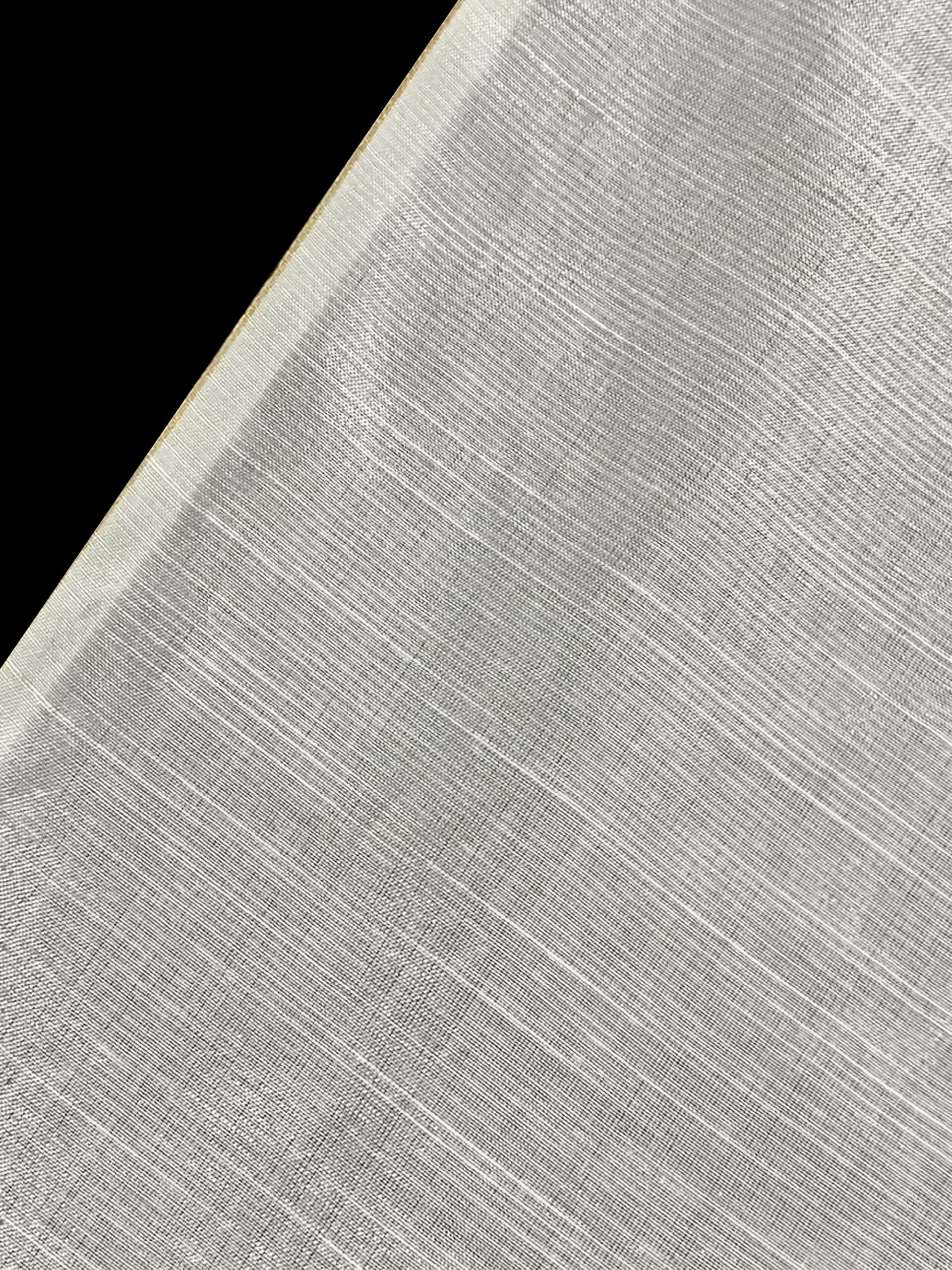
A great design can be ruined by the wrong fabric, and a simple design can look luxurious on the right one. The base fabric controls how the outfit falls and moves, how embroidery sits on the surface, how light reflects off the cloth in photographs, how rich the dyed colour appears, and how premium the finished piece feels to wear. This is exactly why experienced boutiques choose the fabric first and plan the embroidery around it — not the other way around.
What Is Korean Raw Silk?
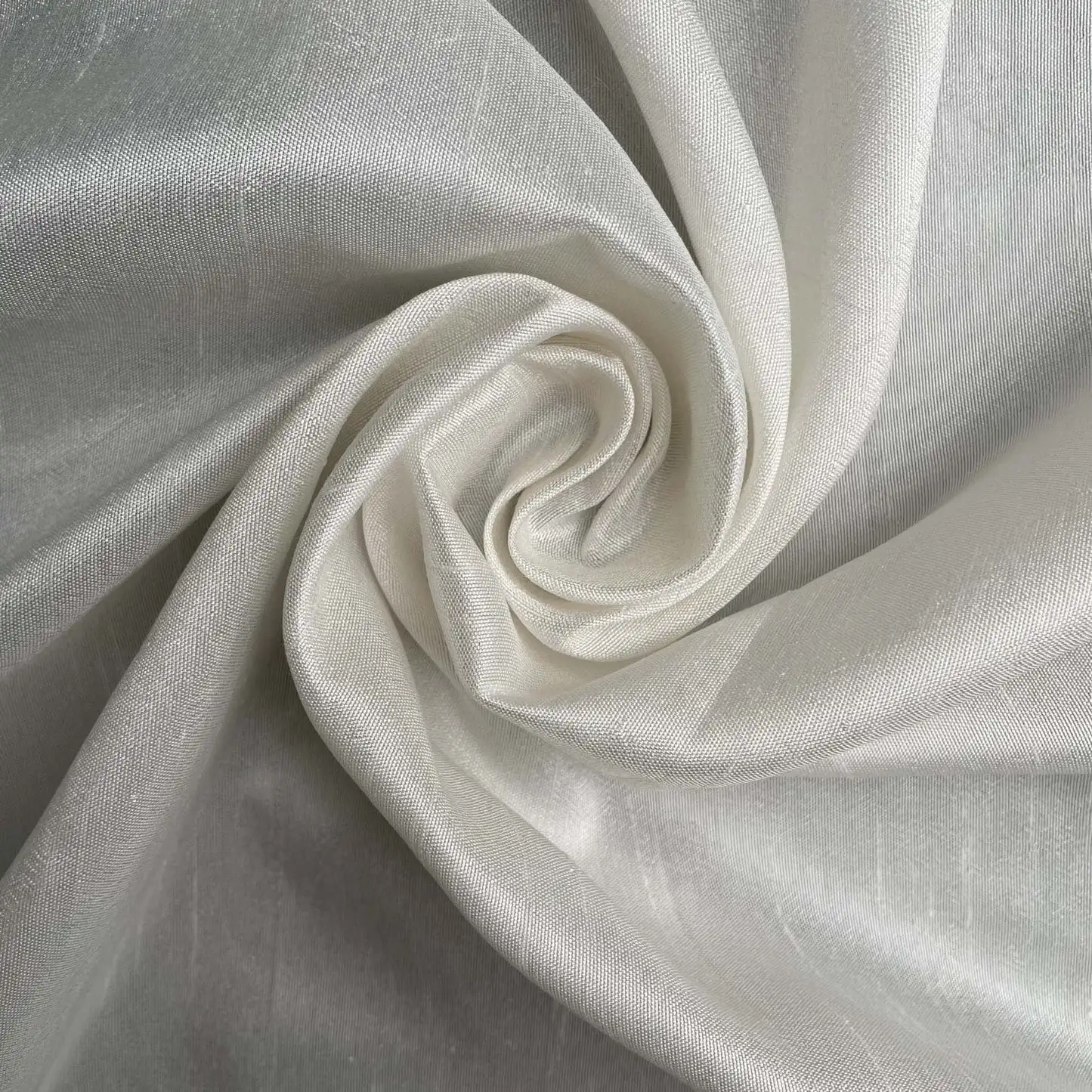
Korean Raw Silk is a super premium silk fabric known for its smooth, refined surface and consistent weave. At 75 silk yarn, it has far fewer slubs than standard PK raw silk, giving it a cleaner, more polished, and more formal appearance — without losing the richness that makes raw silk so sought-after.
Key Characteristics of Korean Raw Silk
- Smooth, even surface with minimal slub
- Reflects light evenly for a polished, photo-ready finish
- Rich, vibrant colour absorption when dyed
- Solid, non-see-through structure with a graceful fall
- Excellent base for fine, detailed embroidery
Best Uses for Korean Raw Silk
Korean Raw Silk is a favourite for bridal suits, lehengas, shararas, sarees, formal shirts, waistcoats, and designer pret collections — anywhere a clean, contemporary luxury look is the goal. Under indoor lighting and camera flash, its even light reflection is what makes a Korean Raw Silk outfit photograph so well, which matters enormously for bridal shoots and social media content.
What Is Tussel Silk (Tussah / Tasar Silk)?
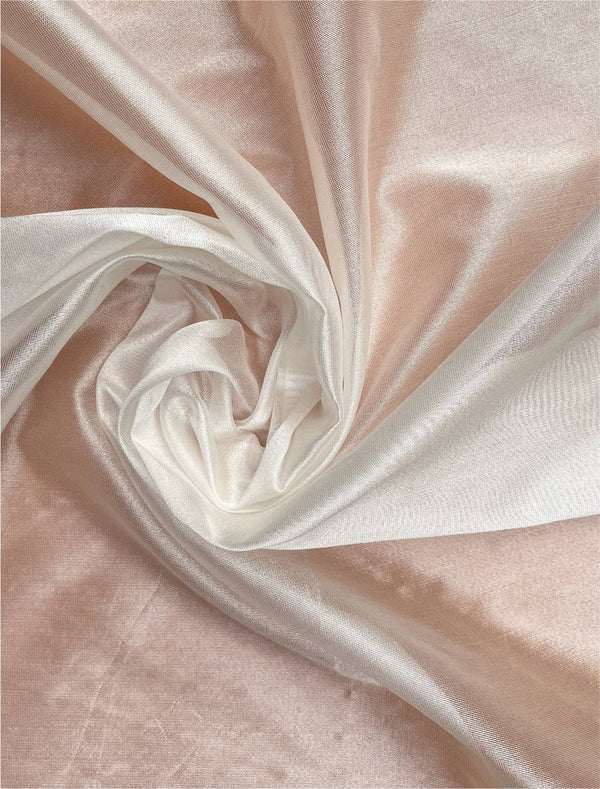
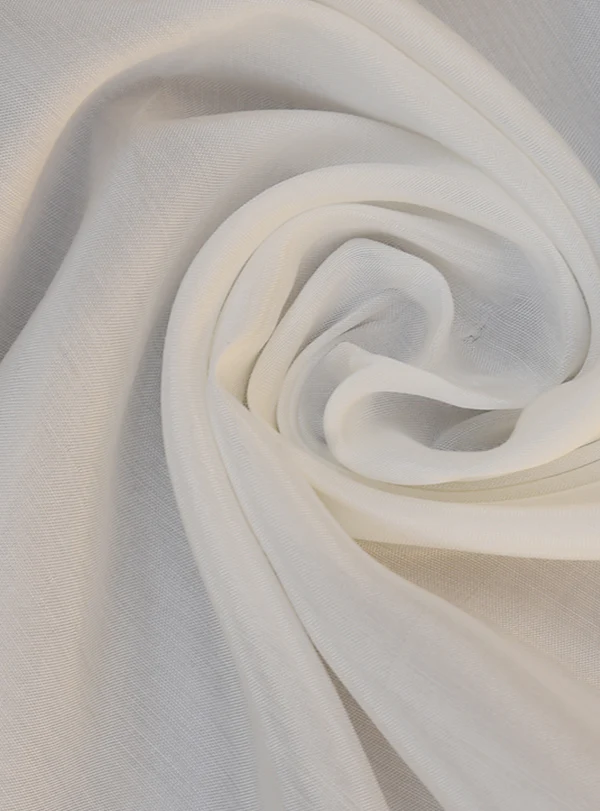
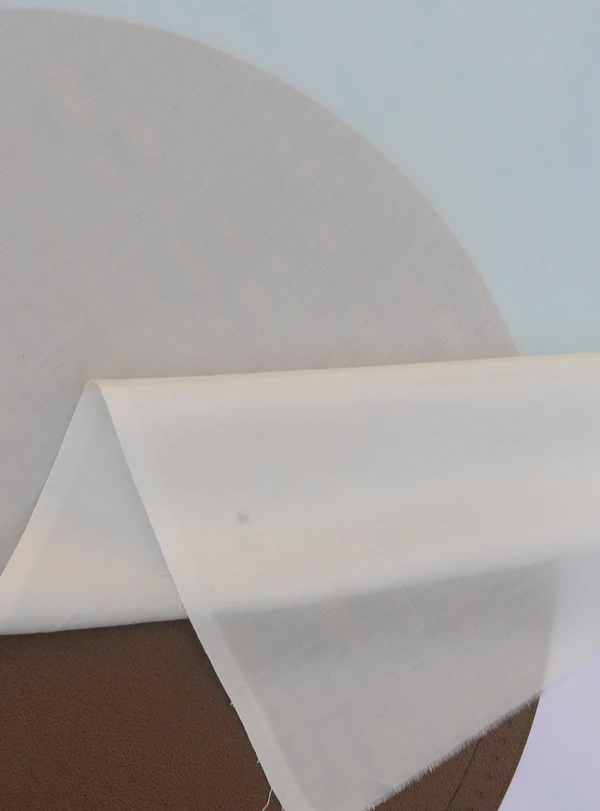
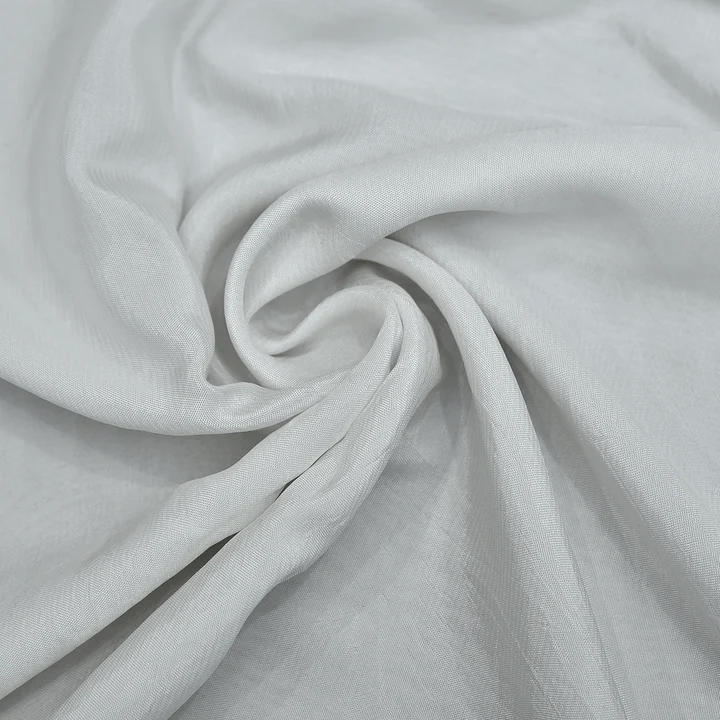
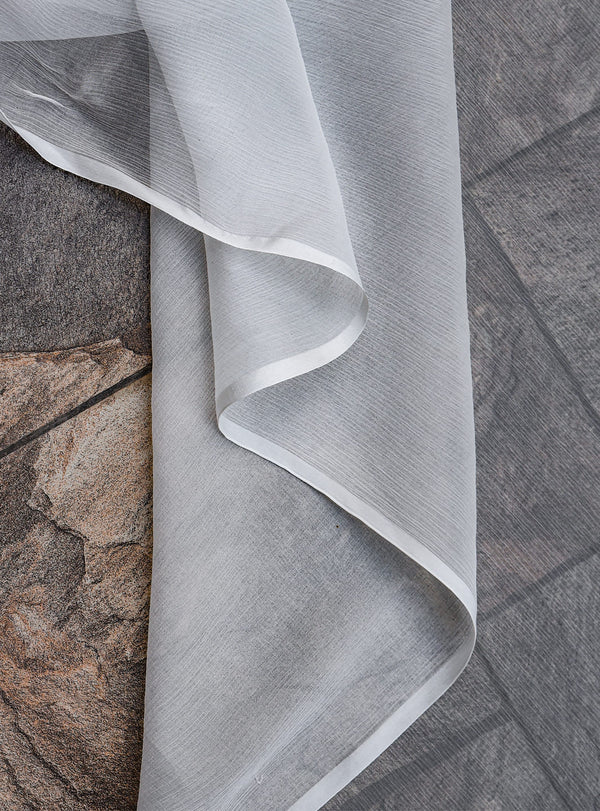
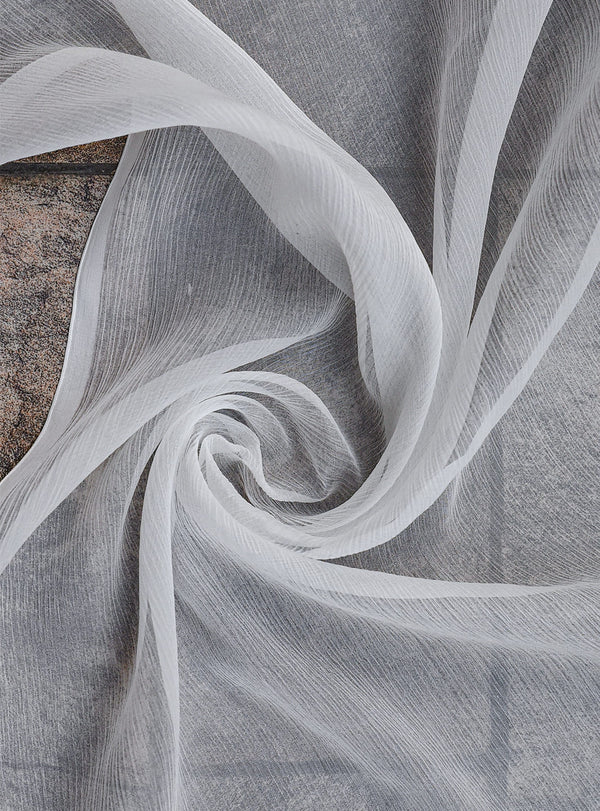
Tussel Silk, also known as Tussah Silk or Tasar Silk, is prized for its natural slub texture. Instead of a perfectly smooth surface, it has an organic, slightly uneven character that feels handcrafted rather than machine-perfect — giving outfits depth and a heritage quality that smooth silks simply cannot replicate.
Key Characteristics of Tussel Silk
- Natural slub texture with visible depth and grain
- Earthy, matte finish rather than high shine
- Warm, rich tones when dyed
- Solid, non-see-through structure
- Adds dimension and character to traditional embroidery
Best Uses for Tussel Silk
Tussel Silk works beautifully for traditional shalwar kameez, kurtas, waistcoats, shawls, and festive ethnic wear. Paired with gota, resham, or thread embroidery, it gives outfits a timeless, heritage-inspired feel rather than a trend-driven one.
Korean Raw Silk vs Tussel Silk: Side-by-Side Comparison
| Feature | Korean Raw Silk | Tussel Silk (Tussah) |
|---|---|---|
| Surface texture | Smooth, fine, minimal slub | Natural slub, visibly textured |
| Finish | Polished, light-reflective | Matte, earthy |
| Overall look | Modern, designer luxury | Traditional, handcrafted heritage |
| Dye result | Rich, vibrant, consistent colour | Warm, organic tones |
| Embroidery effect | Clean canvas for fine work | Adds natural depth and dimension |
| Transparency | Non-see-through | Non-see-through |
| Yarn quality | 75 silk yarn — super premium | 75 silk yarn — super premium |
| Best for | Bridal suits, lehengas, sarees, formal shirts | Shalwar kameez, kurtas, waistcoats, shawls |
Which Fabric Is Better for Bridal Wear?
It depends on the bridal look you are going for. Choose Korean Raw Silk for a smooth, high-shine, modern bridal aesthetic with rich saturated colour and a surface that photographs beautifully. Choose Tussel Silk for a traditional, heritage-inspired look with visible texture, an earthy palette, and a handcrafted feel that pairs beautifully with gold and antique embroidery. Many boutiques in Pakistan now stock both, since brides often want a modern Korean Raw Silk outfit for one function and a Tussel Silk piece for a more traditional event in the same trousseau.
The Biggest Fabric Mistake New Designers Make
Many new designers put almost their entire budget into embellishment — sequins, stones, lace, and heavy embroidery — while treating the base fabric as an afterthought. The result is an outfit that cost a lot to make but still does not look premium, because cheap or unsuitable fabric flattens the embroidery, dulls the colour, and ruins the drape. Experienced designers reverse this: they select a premium fabric first and plan the embellishment to complement it, not compete with it.
Which Silk Sells More in Pakistan Right Now?
Demand for both remains strong but for different reasons. Korean Raw Silk continues to grow in popularity for modern luxury and bridal-formal collections, thanks to its clean finish and reliable dye results. Tussel Silk holds a loyal, steady market among designers and customers who want traditional and festive pieces with a distinctive, textured character. The smartest boutiques stock both — covering the full spectrum from sleek modern bridalwear to rich heritage-inspired festive collections.
Frequently Asked Questions
Is Korean Raw Silk the same as regular raw silk?
No. Korean Raw Silk has a finer, smoother weave with far fewer slubs than standard PK raw silk, giving it a cleaner and more polished finish while retaining the richness raw silk is known for.
Is Tussel Silk the same as Tussah or Tasar Silk?
Yes. Tussel Silk, Tussah Silk, and Tasar Silk all refer to the same fabric — known for its natural slub texture and earthy, matte appearance.
Can both fabrics be dyed?
Yes. Both are dyeable and absorb colour well. Korean Raw Silk produces richer, more saturated even tones. Tussel Silk takes on warmer, earthier shades because of its natural texture.
Which fabric is better for embroidery?
Korean Raw Silk gives embroidery a clean, polished base — ideal for fine and detailed work. Tussel Silk’s natural texture adds extra depth and dimension to traditional styles such as resham and gota work.
Are they see-through?
No. Both Korean Raw Silk and Tussel Silk are non-see-through with a solid structure, making them suitable for unlined or lightly lined outfits.
Final Thoughts
The difference between an ordinary outfit and a memorable one rarely comes down to embroidery alone. It is the fabric underneath that decides how a design falls, photographs, and feels. Whether you choose the smooth, modern luxury of Korean Raw Silk or the rich, heritage character of Tussel Silk, starting with a premium fabric is the first step toward a premium result. Because in fashion, people notice the design first — but they remember the fabric.
Browse both fabrics at Fabrics Doonia, or visit our Wholesale page for bulk pricing on Korean Raw Silk, Tussel Silk, and other premium silks.