Imagine giving the same dress design to two different designers. Both use the same stitching pattern, the same embroidery, the same colour. Yet the final dresses look completely different. One looks flat and ordinary. The other looks expensive, structured, and memorable. Why?
The answer often comes down to something most buyers never think about: fabric weight. Professional designers know that fabric weight can completely transform the appearance, feel, and perceived value of a garment — and many luxury outfits achieve their premium look because the designer chose the right weight before any embroidery was added.
What Is Fabric Weight?
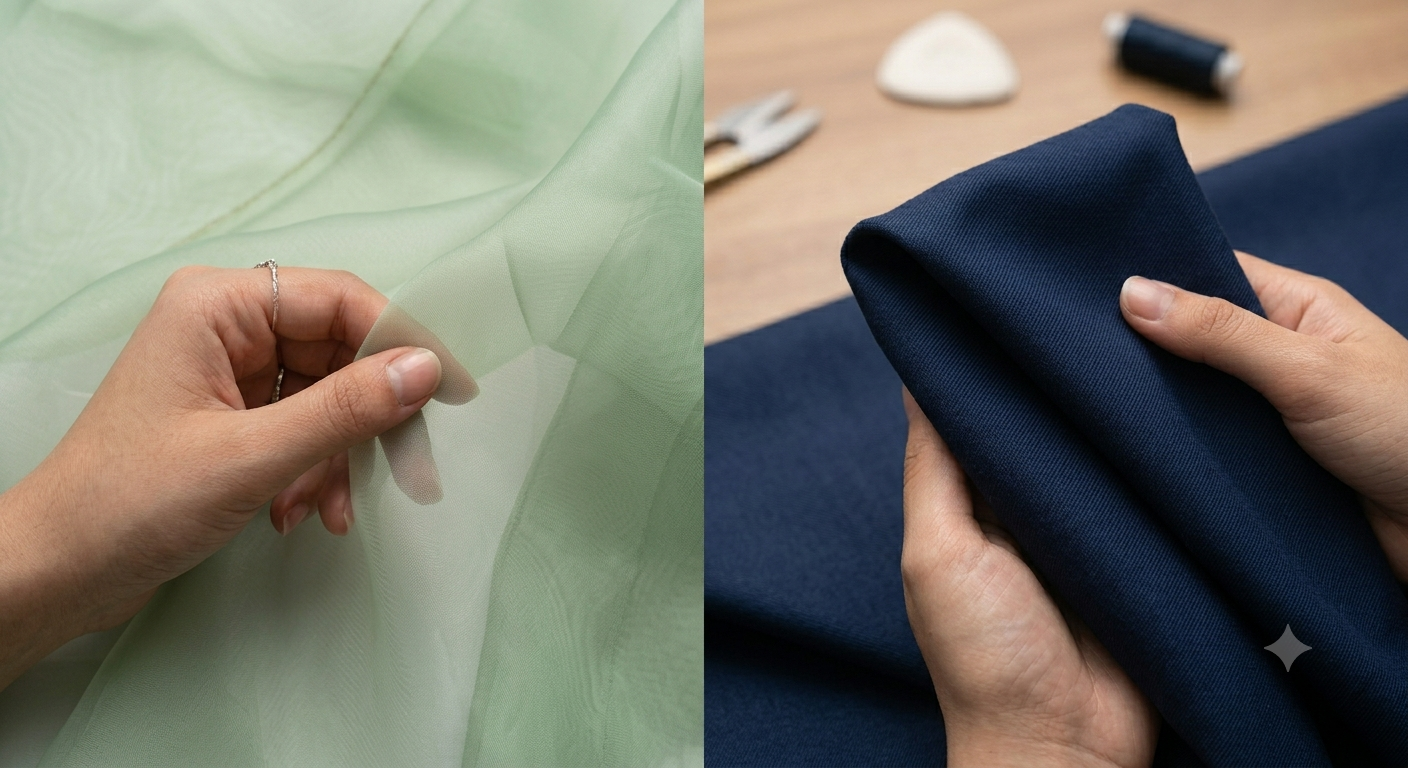
Fabric weight refers to the density and thickness of a textile, typically measured in grams per metre (GSM). A 60-gram fabric feels noticeably lighter and more fluid than a 90-gram version of the same cloth. This single factor influences structure, drape, comfort, movement, embroidery support, and visual richness. Even a small difference in weight — say, 10 grams per metre — can dramatically change the final result of a garment.
Why Most Buyers Never Think About Fabric Weight
Most people choose fabric based on colour, texture, or price. Experienced designers look deeper. Before planning a collection, they ask: will this dress flow or hold its shape? Is heavy embroidery being added? Is this for summer or winter? Is the look modern or traditional? Every one of these questions has a direct answer in the fabric weight. The colour and design come second.
Lightweight Fabrics: Elegant Movement
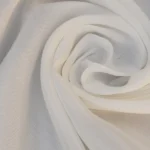
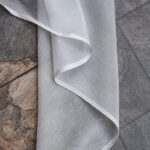
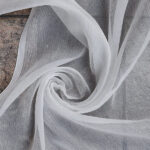
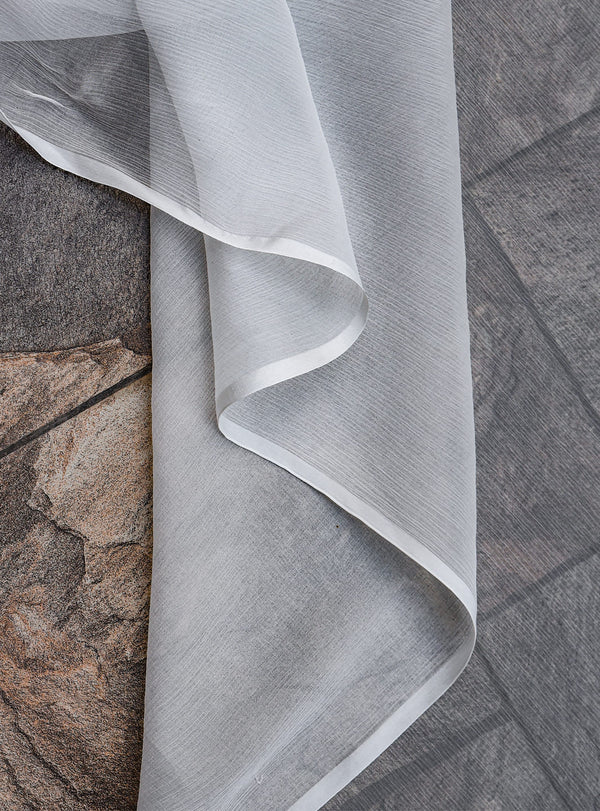
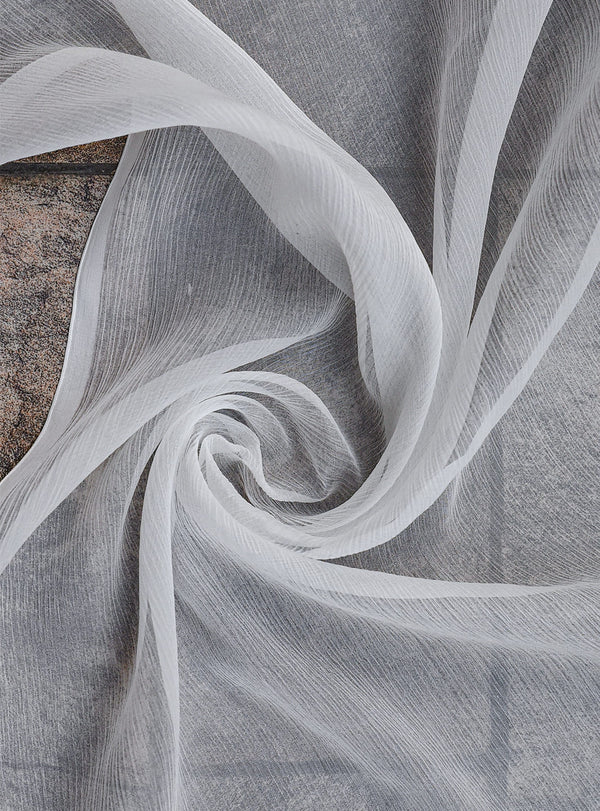
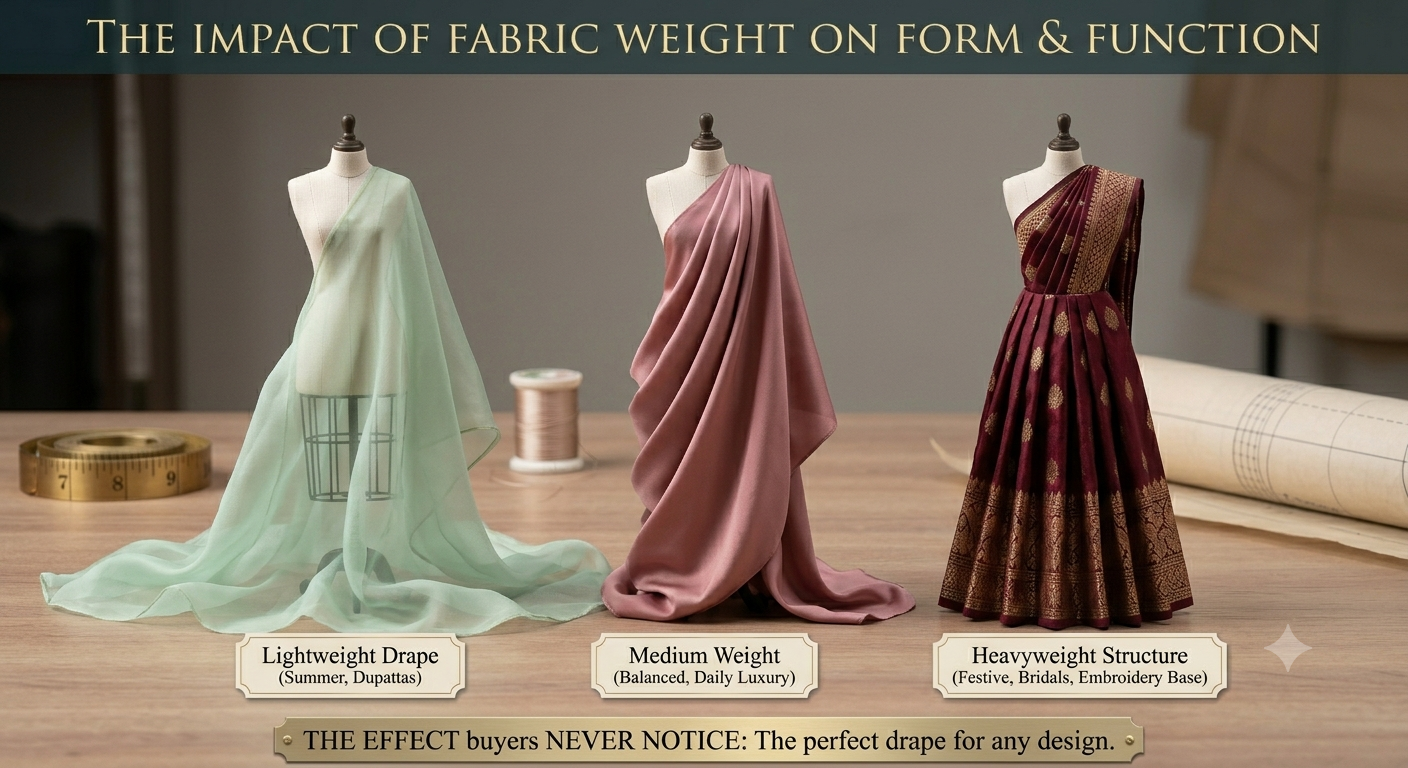
Lightweight fabrics (typically 55–65 GSM) create a soft drape, an airy and breathable appearance, and graceful movement when walking. They are ideal for summer collections, dupattas and shawls, layering pieces, and casual luxury wear. When a customer walks, a lightweight fabric flows naturally and creates a fluid, feminine silhouette. However, lightweight fabrics are generally not suitable for heavy embellishment — the embroidery can overwhelm the cloth and cause it to lose shape over time.
Medium Weight Fabrics: The Most Versatile Choice
Many experienced designers consider medium-weight fabrics (around 70–75 GSM) the most versatile option available. They offer a controlled drape that looks structured without feeling stiff, better durability over repeated wear and washing, comfortable wearability across seasons, and enough body to support moderate embellishments without distorting. Medium-weight fabrics perform well across multiple fashion categories — from semi-formal suits to festive collections — which is why they are consistently popular in the Pakistani fashion industry.
Heavyweight Fabrics: Premium Presence
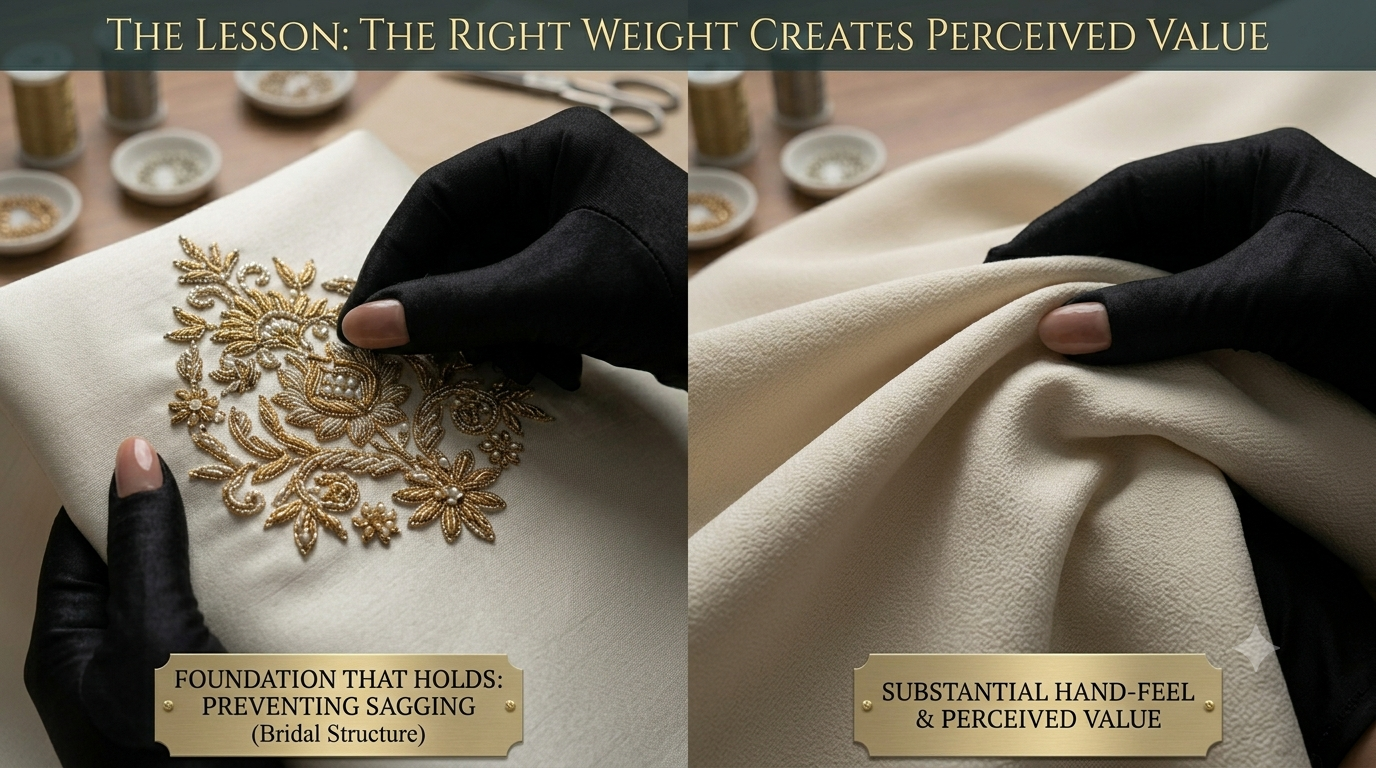
Heavier fabrics (80–90+ GSM) instantly create a sense of luxury. They hold shape beautifully, providing strong structure for complex silhouettes. They create a richer visual depth, making colours appear bolder and more saturated. They support heavy embellishments — stones, sequins, extensive thread work — without sagging or distorting. And they photograph with a premium presence that lighter fabrics cannot replicate. This is one reason bridal and high-end formal collections consistently rely on fabrics with greater substance and weight.
Why Fabric Weight Matters So Much for Embroidery
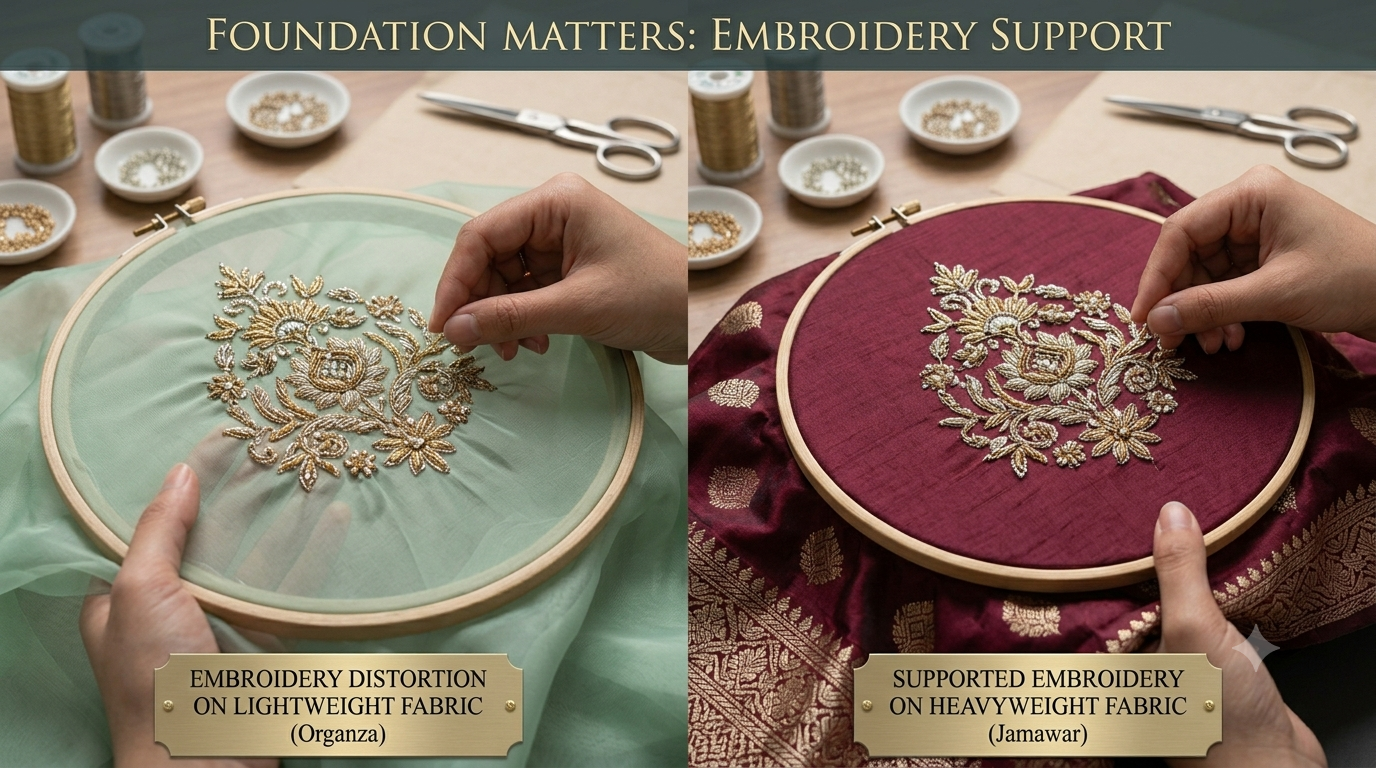
Embroidery adds physical weight to a garment. A lightweight base fabric carrying heavy embellishments will often distort its shape, sag at the embroidered areas, and lose structure over time as the weight pulls at the fibers. The right fabric weight provides the foundation that supports decorative work — holding everything in place without strain. This is especially critical in Pakistani bridal and formal fashion, where embroidery frequently plays a central role and garments are expected to maintain their shape across long events.
Fabric Weight in Pakistani Fashion: Seasonal Considerations
Pakistan’s fashion industry uses different fabric weights throughout the year according to both climate and occasion. For summer collections, designers favour lighter, breathable fabrics that keep the wearer comfortable in heat. For festive collections (Eid, wedding season), medium-weight fabrics that balance movement and structure tend to dominate. For bridal collections, heavier fabrics are almost always preferred because they support extensive embroidery, hold complex silhouettes, and photograph with the kind of richness that premium bridal wear demands.
Raw Silk Fabric Weights Available at Fabrics Doonia
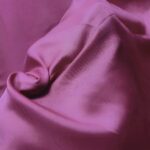
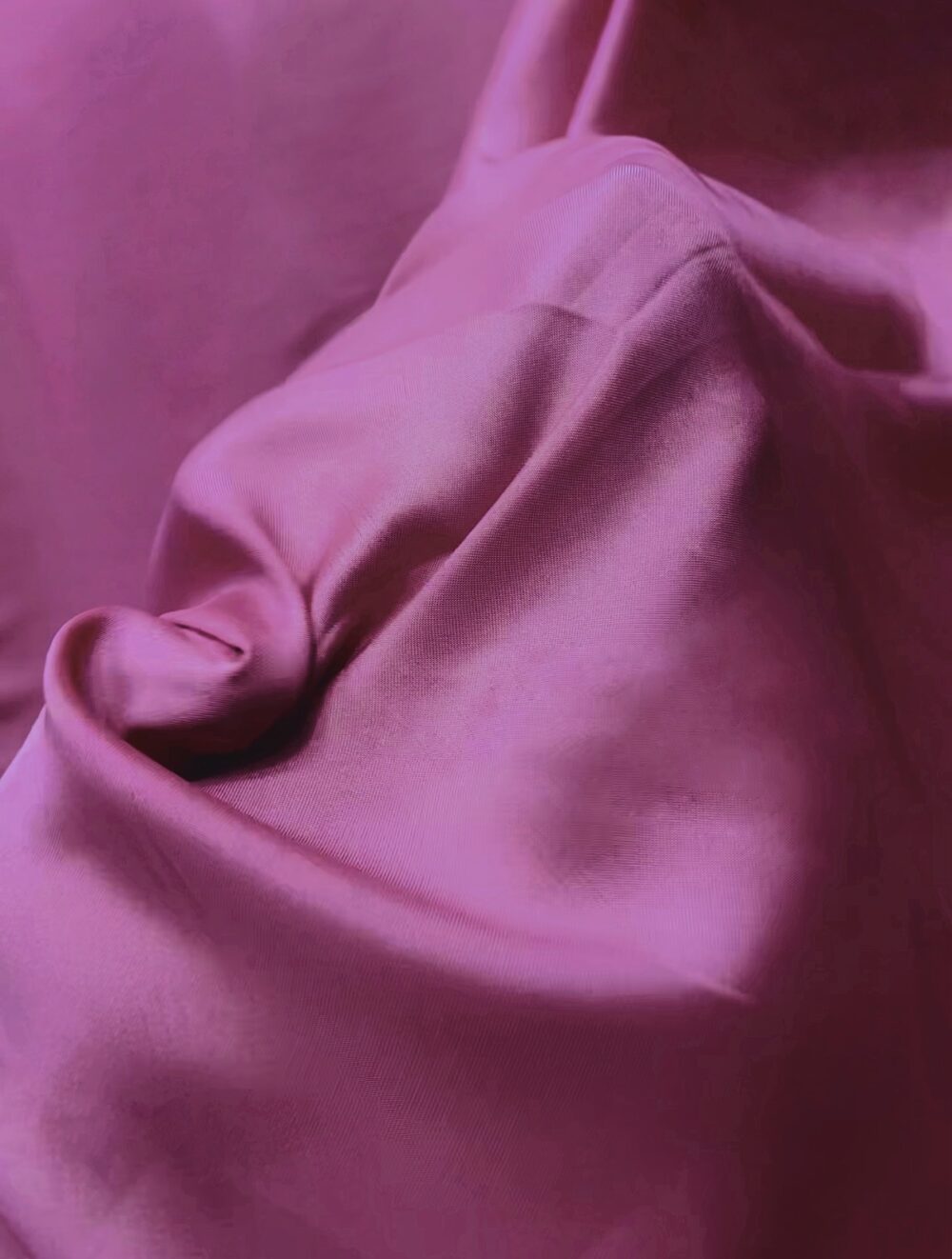
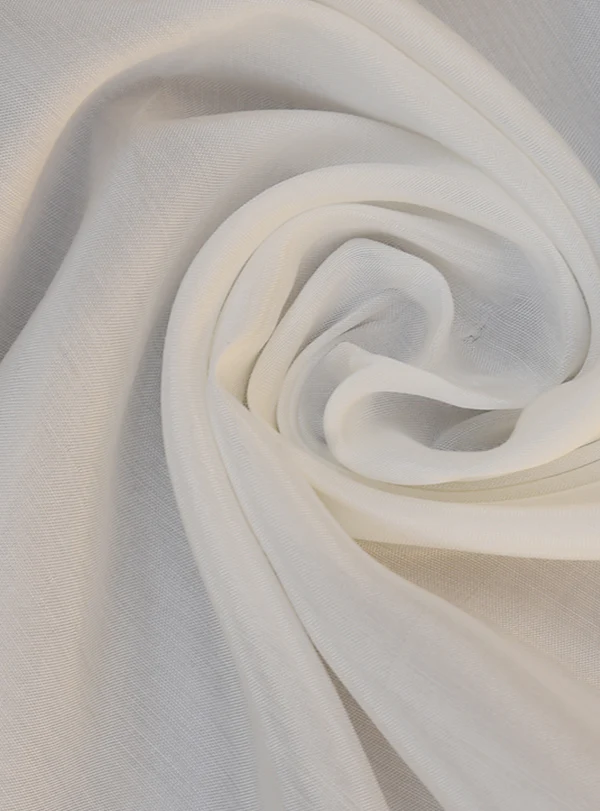
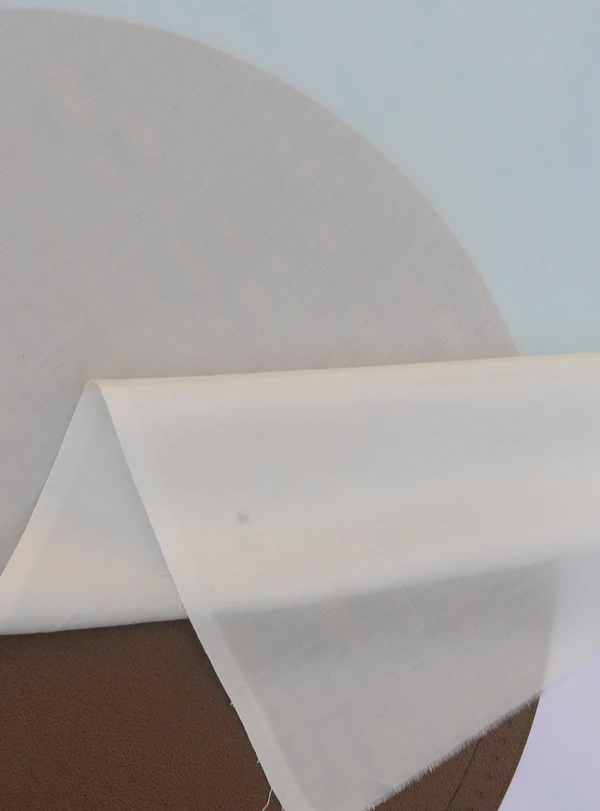
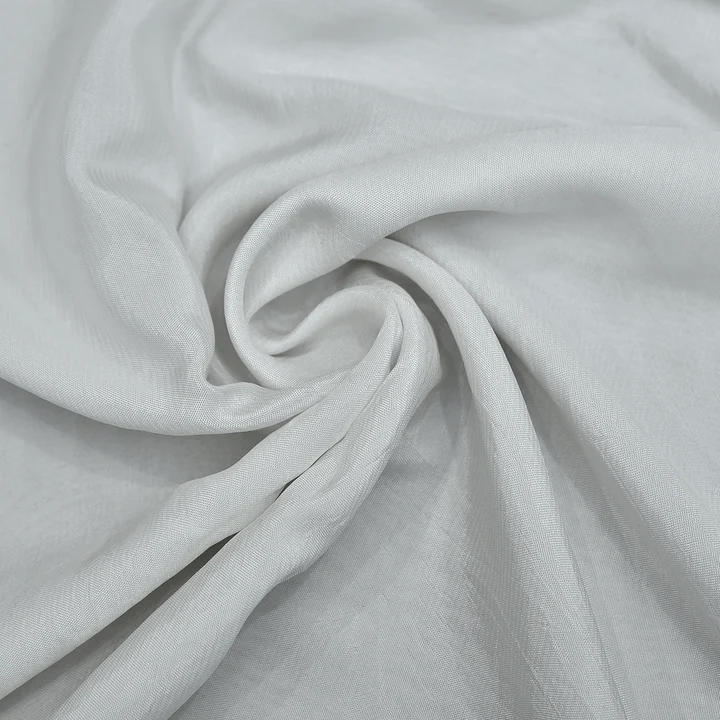
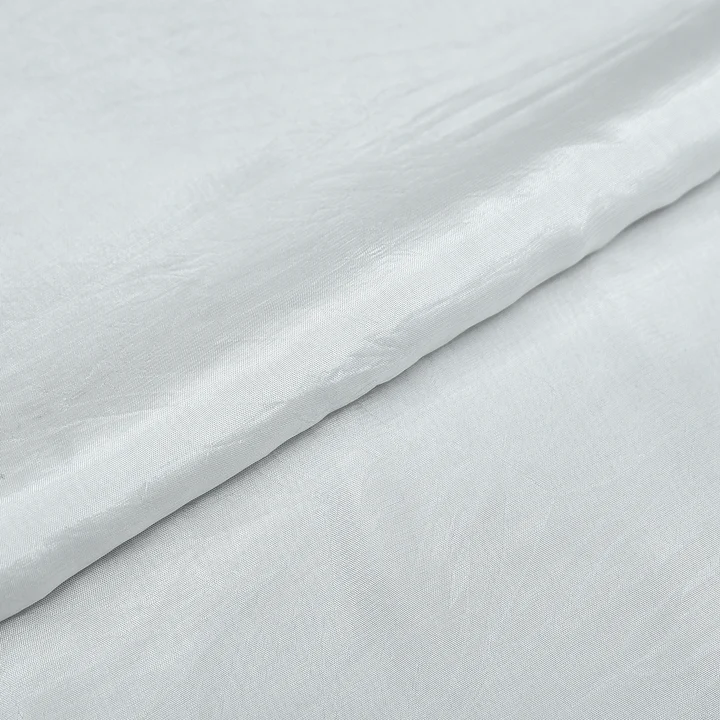
At Fabrics Doonia, our Raw Silk Shine collection is available in multiple weights so designers can choose exactly the right foundation for their work. From 60-gram for lightweight, fluid summer pieces to 90-gram for structured bridal and formal collections, each weight is crafted at super premium quality with 75 silk yarn. You can browse the full range on our website or contact us via our Wholesale page for bulk pricing.
Frequently Asked Questions
Does heavier fabric always mean better quality?
Not necessarily. Quality and weight are two separate factors. A 60-gram premium silk is far superior to a 90-gram low-quality polyester. The ideal weight depends entirely on the intended use — a lightweight fabric can be exceptional for summer wear while being completely wrong for a bridal lehenga.
Which fabric weight is best for bridal wear?
Medium to heavier weights (75–90 GSM) are most commonly chosen for bridal wear because they support extensive embellishments, hold complex silhouettes, and provide the rich visual depth that bridal photography requires.
Are lightweight fabrics less durable?
Not when made with quality fibres. High-quality lightweight fabrics can provide excellent durability and longevity. The key is fibre quality, not weight alone.
Why do luxury dresses often feel heavier?
A combination of heavier base fabric, premium construction, extensive embroidery, and layered embellishments all contribute to the additional weight that luxury garments carry. Each layer serves a structural purpose.
What GSM is Raw Silk Shine from Fabrics Doonia?
Fabrics Doonia’s Raw Silk Shine is available in 60g, 70g, 80g, and 90g weights, giving designers and boutiques full control over the drape, structure, and embroidery support they need for each specific project.
Final Thoughts
Fabric weight is one of the most powerful yet overlooked elements in fashion design. It influences how a garment moves, photographs, feels, and performs. The next time you see a dress that instantly looks expensive, do not look only at the embroidery. Look at the fabric. There is a very good chance its weight is doing more work than anyone realises.
Whether you are looking for a lightweight silk for a flowing summer collection or a structured 90-gram base for a bridal lehenga, explore the full range of premium silks at Fabrics Doonia or visit our Wholesale page for bulk fabric pricing.