



In 2025, fashion is no longer just about style—it’s about responsibility. Consumers around the world are becoming increasingly aware of how their clothing choices impact the planet. From the fabrics we wear to the way garments are produced, sustainable fashion has transformed into a movement that defines the future of the industry.
Growing Consumer Awareness
Shoppers today demand more than just trendy outfits. They want to know where their clothes come from, how they are made, and who makes them. This transparency has pushed brands to adopt eco-friendly practices, such as using organic fabrics, ethical production lines, and recycled materials.
Technology Meets Fashion
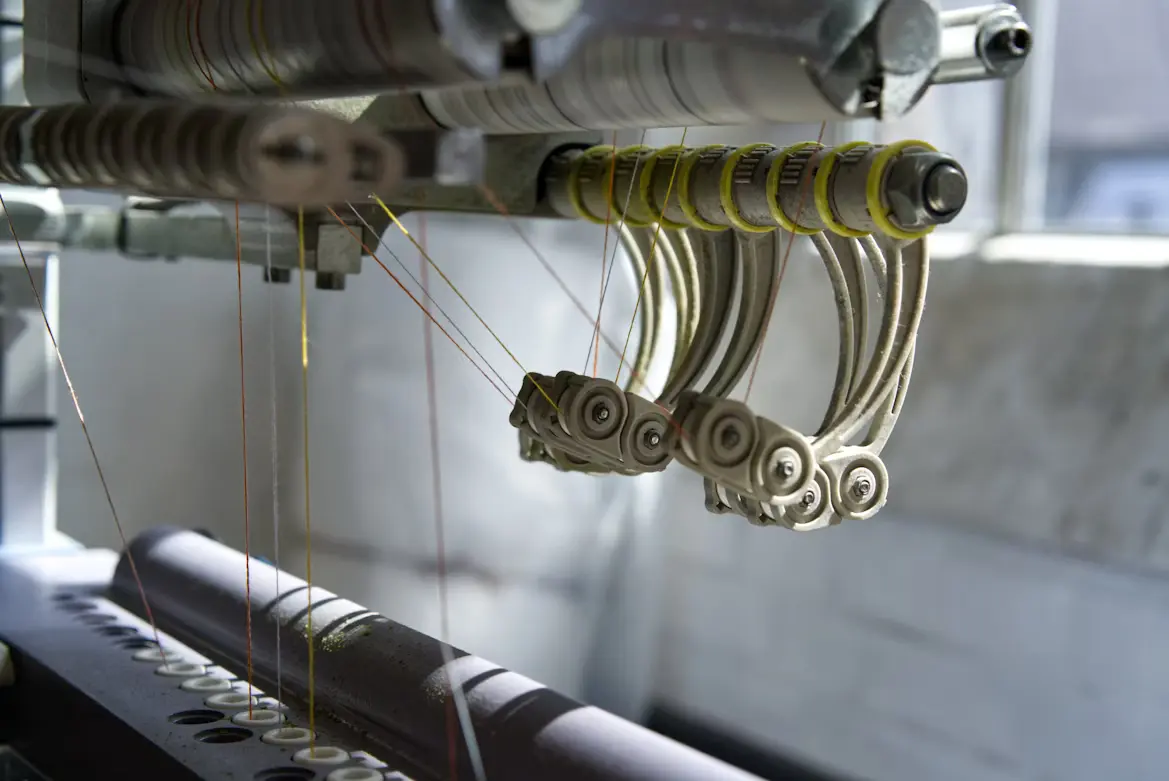
Innovation is playing a major role in this transformation. In 2025, we’re seeing advanced textile technologies that use less water, biodegradable fabrics, and AI-driven designs that reduce waste. Many fashion houses are turning to 3D printing and digital prototyping to create pieces with minimal environmental impact.
The Circular Economy
One of the most powerful shifts in sustainable fashion is the rise of the circular economy. Instead of the “take, make, dispose” model, brands are encouraging recycling, resale, and upcycling. Pre-loved fashion, rental services, and trade-in programs are gaining popularity, allowing consumers to extend the life cycle of garments.
Why It Matters
The fashion industry has long been criticized as one of the biggest contributors to pollution and waste. By embracing sustainability, brands are not only protecting the planet but also building stronger connections with socially conscious consumers.
Final Thoughts
Sustainable fashion is not a trend—it’s the new standard. In 2025, it’s clear that the future of fashion belongs to brands that blend style, ethics, and innovation. For consumers, every purchase becomes a step towards a greener, more responsible world.